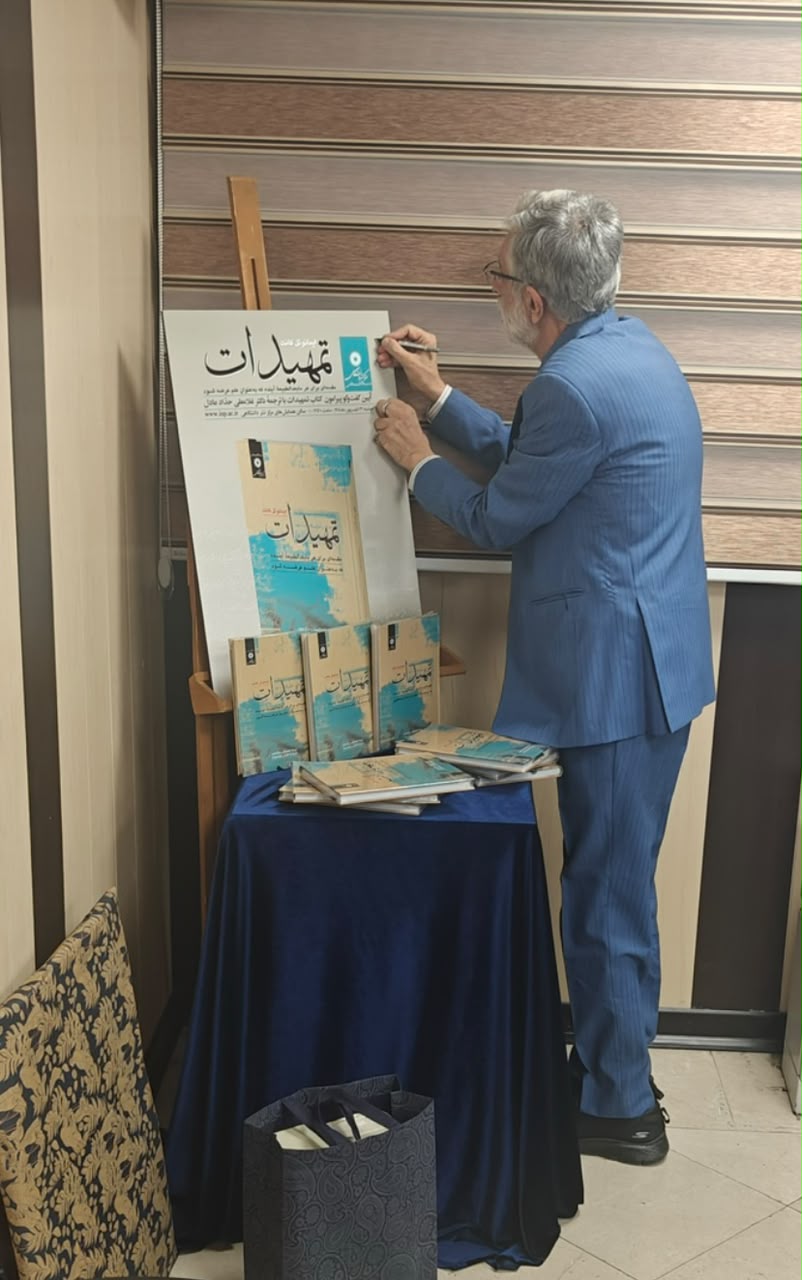
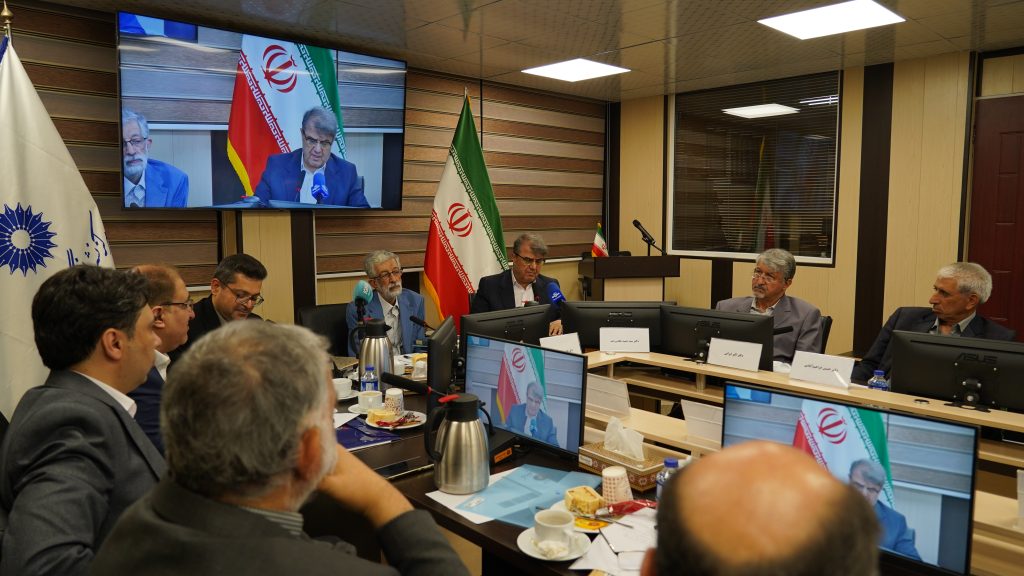
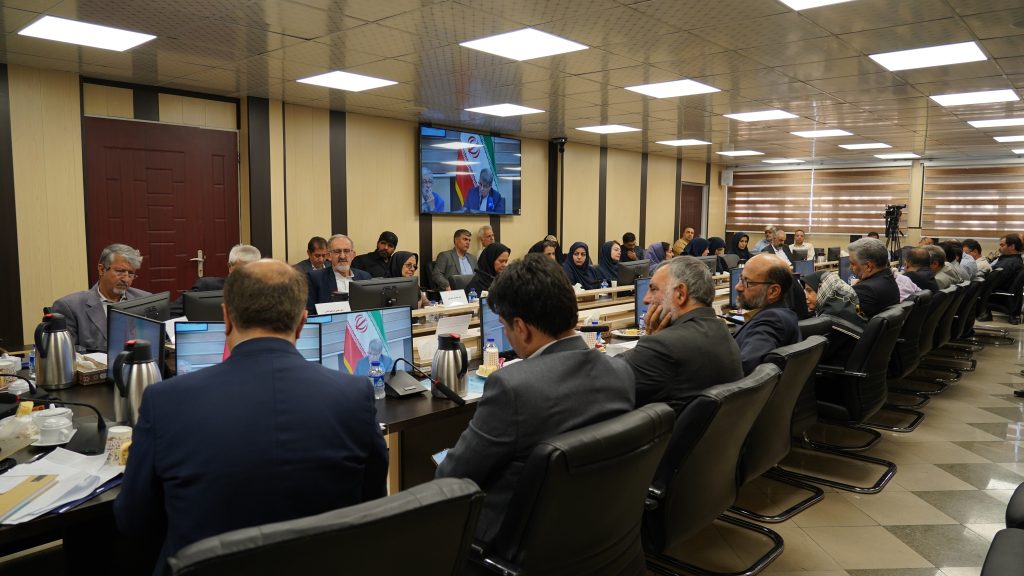
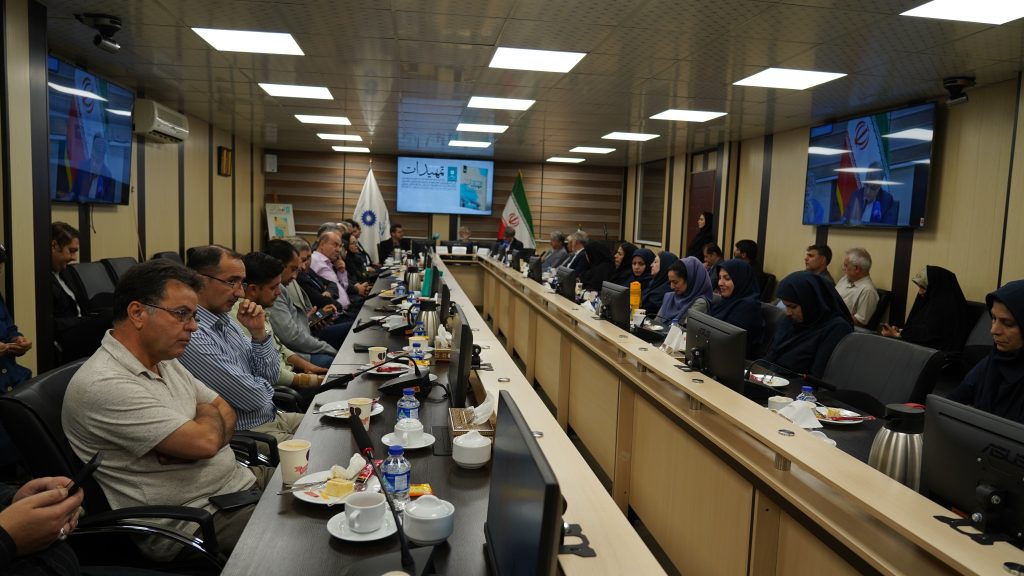
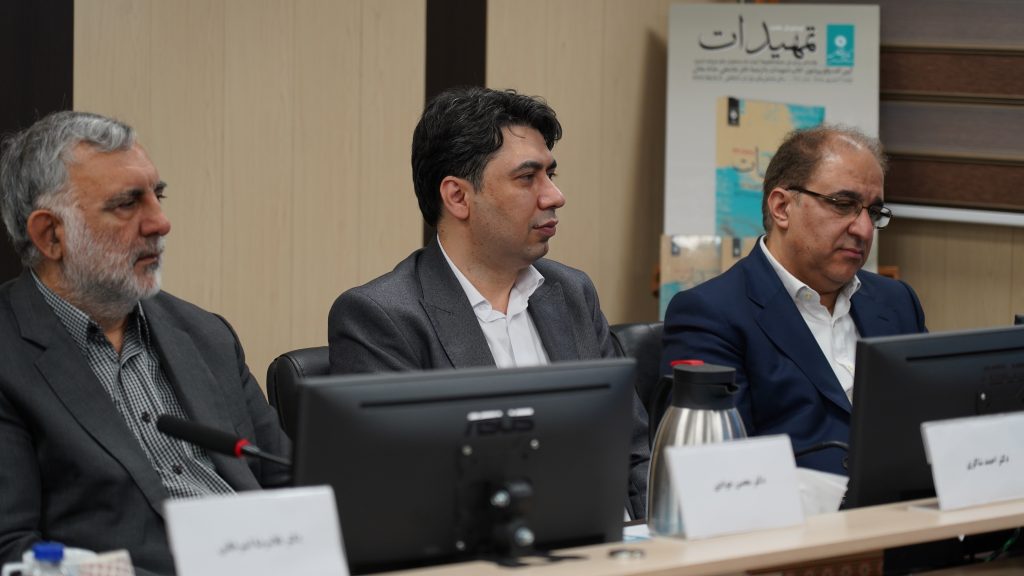
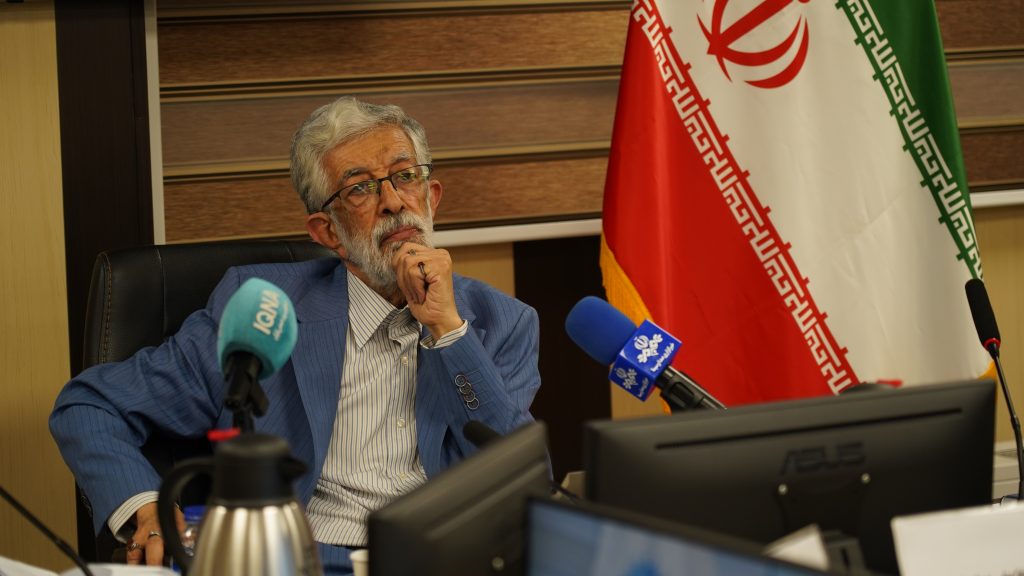
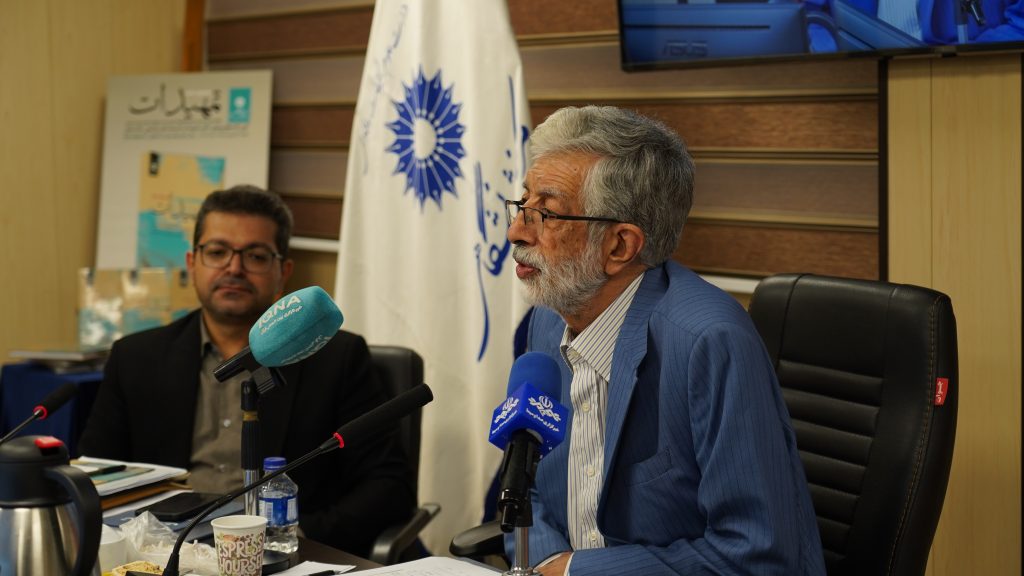
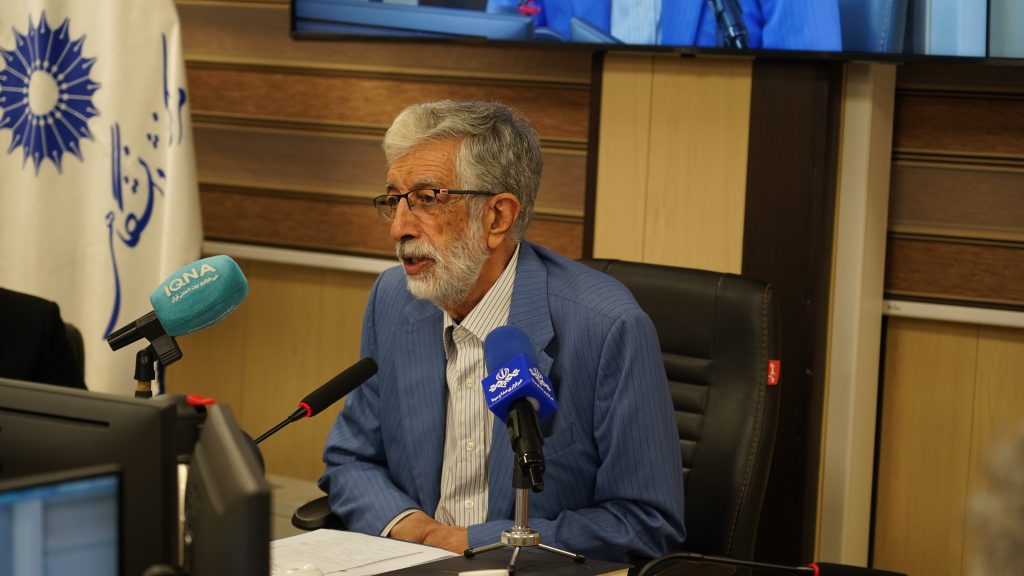
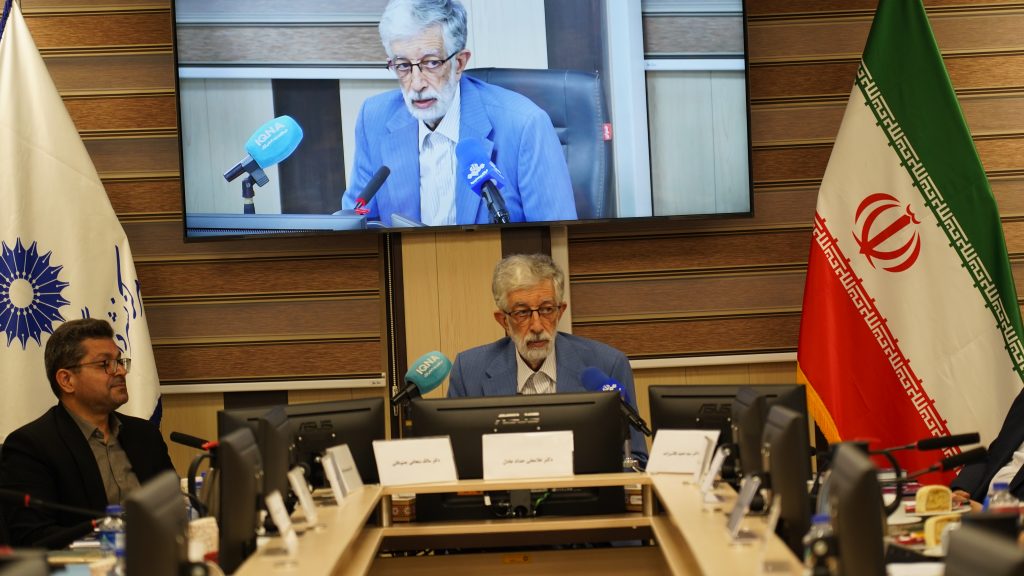
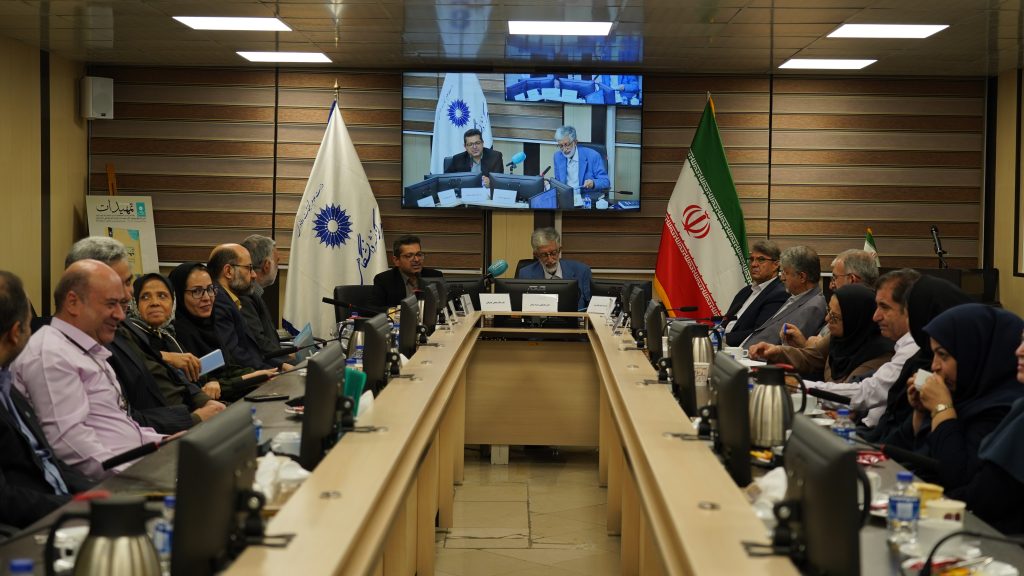
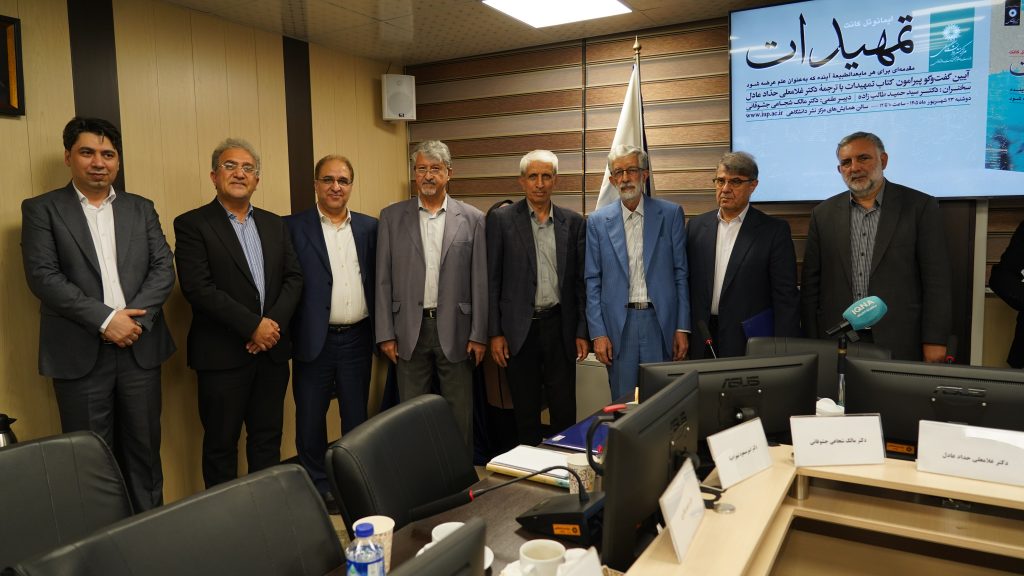
At the first session in a series of humanities seminars organized by the University Publishing Center, Immanuel Kant’s Prolegomena to Any Future Metaphysics That Will Be Able to Present Itself as a Science, translated into Persian by Dr. Gholam-Ali Haddad-Adel, was reviewed and discussed.
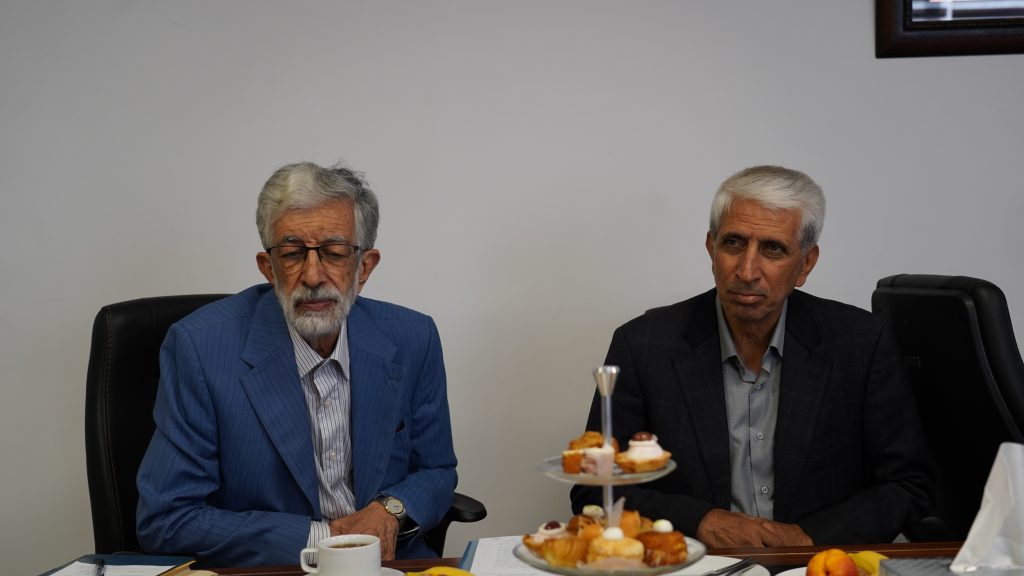
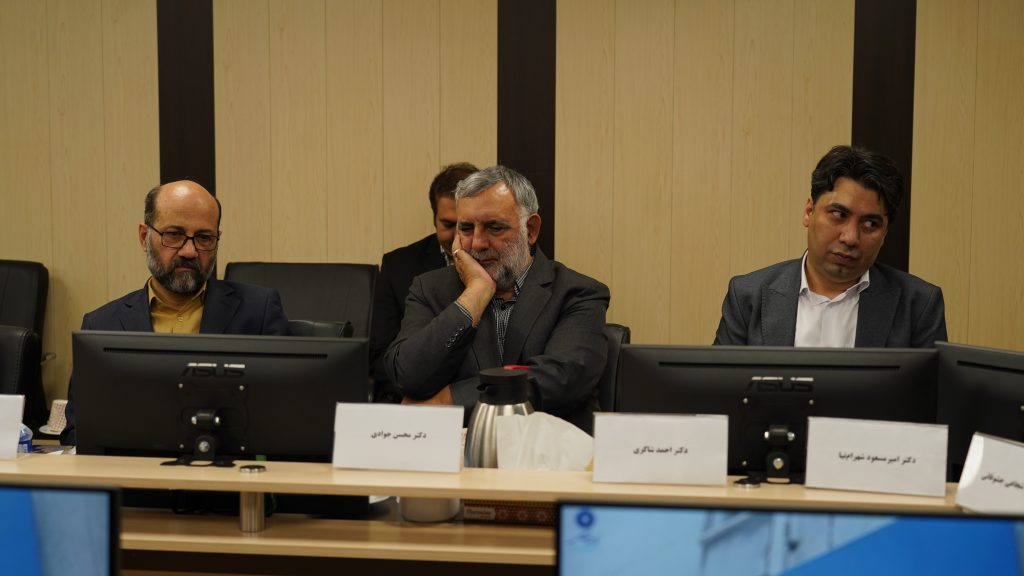
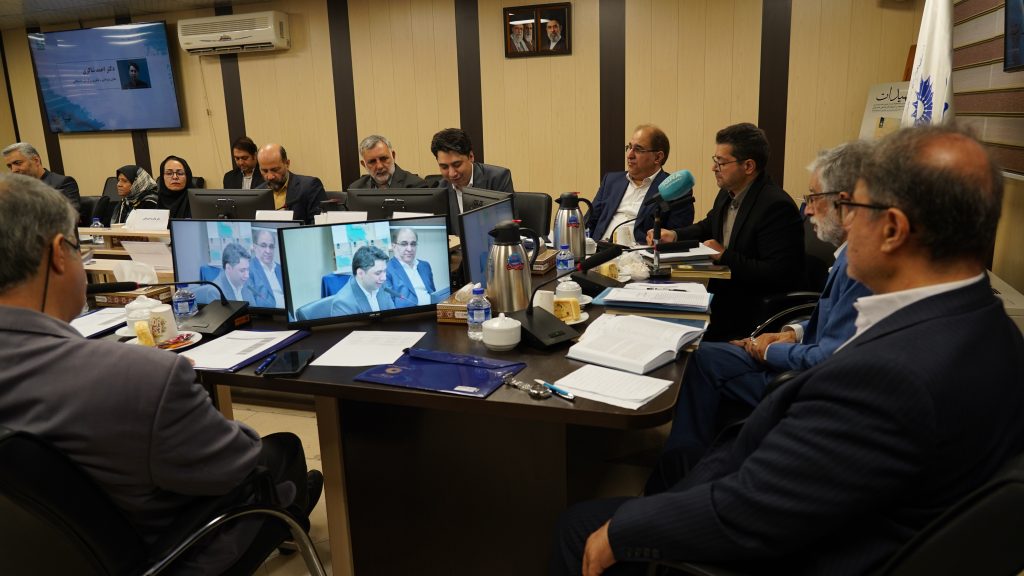
According to the Public Relations Office of the University Publishing Center, the first session of the Center’s humanities seminar series was held with a focus on revisiting valuable and enduring works published in the humanities. The session was attended by Dr. Gholam-Ali Haddad-Adel, Seyyed Hamid Talebzadeh, Mohsen Javadi, Gholamreza Amirakhani, as well as the Center’s directors and deputies, together with a number of professors, researchers, and other scholars and enthusiasts.
The session was held on the occasion of the publication of the seventh edition of Prolegomena, with the aim of revisiting one of the major works of modern philosophy and examining its position within the tradition of philosophical translation and education in Iran. The Persian translation of Kant’s Prolegomena was first published by the University Publishing Center in 1988 and received Iran’s Book of the Year Award in 1989. Over the following decades, it has become one of the important texts in Kant studies in Iran.
The Importance of Revisiting the University Publishing Center’s Scholarly Legacy
At the beginning of the session, Malek Shojaei Jashouqani, the academic secretary of the seminar, referred to the potential of Prolegomena to foster dialogue between modern Western philosophy and the tradition of Islamic philosophy. He emphasized the importance of carefully studying Kant’s works and understanding the foundations of modern philosophy.
He noted that Prolegomena can serve as a valuable text for becoming familiar with Kant’s thought and examining its relationship with other philosophical traditions. The academic secretary also emphasized that expanding Kant studies in Iran could facilitate broader dialogue between Islamic philosophy and modern Western philosophy and create new opportunities in the field of comparative philosophy.
Revisiting the Intellectual Legacy of Previous Generations through New Readings
Amirmasoud Shahram-Nia, President of the University Publishing Center, then stressed the importance of revisiting the Center’s enduring publications and creating an environment for renewed dialogue among professors, researchers, and a new generation of academics.
He noted that over more than four decades of activity, the University Publishing Center has played an important role in the production, translation, and dissemination of academic knowledge in the country through the publication of thousands of titles and collaboration with numerous authors and translators.
From this perspective, revisiting the Center’s publications is not merely an exercise in reviewing the past; it can also provide an opportunity to understand previous scholarly and cultural experiences and to develop new directions for the future of academic publishing.
Shahram-Nia added that, in its current phase of activity, the University Publishing Center seeks to build upon the intellectual and cultural capital accumulated over more than four decades and strengthen connections among successive generations of professors, researchers, translators, and students, while drawing on its published works to foster new forms of scholarly dialogue.
Paying Attention to the Intellectual Heritage of the Past through New Readings
Mohsen Javadi, Deputy Minister of Culture and Islamic Guidance for Cultural Affairs, then noted that the University Publishing Center could provide a platform for the renewed examination of important works in philosophy, literature, social sciences, cultural studies, and other branches of the humanities.
He described the seminar series as an opportunity to revisit enduring works of the past not merely as historical heritage, but as living texts capable of engaging in dialogue with contemporary issues. Referring to the works of major thinkers such as Avicenna and other prominent Iranian philosophers, he welcomed this approach and noted that many works in these fields could become subjects of discussion and research.
The University Publishing Center as a Major Infrastructure for the Production and Dissemination of Knowledge
In another part of the session, Ahmad Shakeri, Deputy for Research and Technology at the University Publishing Center, referred to the Center’s history and mission and emphasized the importance of revitalizing its research groups and revisiting its scholarly and publishing heritage.
Shakeri stated: “Throughout all these years, many distinguished figures, both near and far, have contributed to the University Publishing Center. Directors come and go, but the University Publishing Center will remain.”
He added that the humanities seminar series had been designed as part of an effort to revitalize the Center’s research groups, which constitute an important part of its intellectual and historical capital.
According to Shakeri, the new approach of the research groups encompasses a fresh perspective on the humanities, interdisciplinary studies, the basic sciences, agriculture, and the environment. He said: “In the humanities group, one of the important programs is to revisit classical texts and enduring works from a new perspective.”
Shakeri also referred to the important role of translation in the publishing record of the University Publishing Center, stating that approximately two-thirds of the works published by the Center are translations. This, he noted, demonstrates that from the beginning of its activities, the University Publishing Center was established as one of the country’s important infrastructures for the production and dissemination of knowledge.
At the same time, referring to technological developments and the emergence of new tools, including artificial intelligence, he emphasized the need to pay serious attention to the future of translation and to the transmission of the experience of veteran translators and researchers to the younger generation.
The Translation of Prolegomena as a Maturation of the Tradition of Philosophical Translation
Seyyed Hamid Talebzadeh, Professor of Philosophy at the University of Tehran, then examined the position of the Persian translation of Prolegomena within the history of Western philosophical translation in Iran.
He described the translation as a milestone in the maturation of a tradition that began with Mohammad-Ali Foroughi and continued through the efforts of scholars such as Yahya Mahdavi.
Talebzadeh emphasized that successful philosophical translation requires three essential elements: scholarly mastery of the source language, command of the target language, and the translator’s literary and artistic ability.
He regarded Haddad-Adel’s translation as an example of an effort that, while maintaining scholarly precision, has avoided both excessive reliance on unfamiliar vocabulary and artificial linguistic purism, making complex philosophical concepts accessible to Persian-speaking readers through clear, fluent, and rigorous prose.
Prolegomena as the Product of a Deep Tradition of Philosophical Translation
In the final part of the session, Gholam-Ali Haddad-Adel, President of the Academy of Persian Language and Literature and translator of the book, revisited the process through which his translation of Prolegomena came into being. He recalled the influence of scholars such as Dr. Yahya Mahdavi on the development of his own academic path.
He explained that the proposal to translate Prolegomena was made during his doctoral studies under the guidance of Dr. Yahya Mahdavi. At the time, reliable Persian sources on modern Western philosophy were extremely limited.
Haddad-Adel referred to the difficulty of Kant’s text and the complex structure of his sentences, describing philosophical translation as something that goes beyond the word-for-word transfer of terms. He emphasized the necessity of fully understanding the source text and recreating it within the natural and comprehensible structure of the Persian language.
He also discussed the position of the Persian language in the translation of philosophy, stating that the thousand-year heritage of the Persian language and the tradition of Islamic philosophy constitute an important resource for Iranian translators. At the same time, he noted that when no precise and expressive Persian equivalent exists for a specialized term, the use of established foreign terminology may be necessary to convey the intended meaning accurately.